Alternative billing refunds are yours alone to handle now, and so is every chargeback that follows
Move your billing off the App Store or Google Play and Apple and Google stop handling your refunds. Here is what alternative billing refunds actually cost you, why the store's refund review flows disappear, and who pays when a bank forces a chargeback.
Key takeaways
- Alternative billing means the customer pays through your own payment system instead of the store's. Apple calls it an external purchase, Google calls it alternative billing. The moment money stops flowing through the store, the store stops handling your refunds.
- Apple states plainly that for a purchase made outside its system it cannot help with refunds, purchase history, subscription management, or fraud, and it tells the customer to contact the developer. The refund desk is now you.
- Google requires any developer on alternative billing to run their own customer support, offer a way to request refunds, and provide a process to dispute unauthorized transactions. The store checks that you built it, it does not operate it for you.
- The two store flows that ask for your evidence, Apple's CONSUMPTION_REQUEST and Google Play's orders.reviewrefund, only exist because the store processed the payment. On alternative billing neither one fires, so there is no store review to win.
- A refund on alternative billing runs through your payment processor, not the store, and a disputed charge becomes a card chargeback. Stripe debits the disputed amount plus a dispute fee the instant a chargeback is filed, and it does not return that fee even if you win.
- A card chargeback is decided by the cardholder's bank, not the store and not you. The window to respond is short and the full case can take two to three months, during which the money sits debited from your balance.
- Google's August 3, 2026 change that moves chargeback costs onto developers applies to Google Play Billing, not to alternative billing. Off the store you were already paying every dispute cost yourself, from the first day you switched.
Move your billing off the App Store or Google Play and you keep more of each sale. You also inherit something the store used to do for you: every refund, every billing question, and every chargeback. Alternative billing refunds are no longer a store decision you react to, they're a support desk you have to run. Here's what that actually costs, why the store's refund review flows vanish the moment you switch, and who is left holding the bill when a customer's bank forces a chargeback.
What alternative billing actually changes
Alternative billing means the customer pays through a payment system you chose, not the store's. Apple's name for it is an external purchase, reached through the External Purchase Link Entitlement. Google's name for it is alternative billing, offered on its own or as user choice billing alongside Google Play. The plumbing differs, the consequence is the same. Once the card is charged by your processor instead of the store, the store is out of the money, and it steps out of everything that money used to carry.
When a customer buys through Google Play Billing or Apple's In-App Purchase, the store runs the payment, the receipt, the tax, the renewal, the refund, and the fraud checks. Move the payment and you move all of it onto yourself. The store keeps two jobs: telling you what commission it still wants, and pointing unhappy customers back at you.
Apple says it plainly
Apple's support page for purchases not billed through the App Store is blunt where it counts. Contact the developer for billing support or a refund, it says, because Apple is unable to provide support for these purchases. It then lists what it will not touch: refunds, purchase history, subscription cancellation and management, and fraud. reportaproblem.apple.com is not an option for a sale Apple never processed.
Google makes it a condition of entry
Google does not leave it implied. To offer alternative billing you have to provide customer support for the alternative billing system, provide a process to dispute unauthorized transactions, and provide links that let users see their order history, manage their subscriptions, and initiate refund requests. Google does not run that desk. It requires you to build one before it lets you switch alternative billing on.
The refund review flows disappear
This is the part most developers do not see coming. The only two moments where a store hands the developer a say in a refund both depend on the store having processed the payment in the first place.
On the App Store, a refund request on certain purchases sends your server a CONSUMPTION_REQUEST and gives you 12 hours to answer with Send Consumption Information. On Google Play, a chargeback opens a review you can respond to through orders.reviewrefund within 24 hours. Both are store machinery. Both run on a transaction the store settled.
On alternative billing, the store never settled the transaction, so neither flow exists. There is no CONSUMPTION_REQUEST for a sale Apple did not process. There is no orders.reviewrefund for a purchase that never touched Google Play Billing. The evidence channel you might have leaned on is gone, not because you lost a case, but because there is no store case to submit it to.
What alternative billing refunds actually cost you
A refund you issue yourself is the cheap version. You return the money through your processor, you keep control of the timing, and you set the policy, within the law. The expensive version is the one you do not choose: a chargeback.
| Job | App Store or Google Play billing | Alternative billing |
|---|---|---|
| Processing the refund | The store reverses the charge | You reverse it through your processor |
| Reversing the store's commission | The store returns its own cut | Not applicable, you owe the store its fee separately |
| Refund review with your evidence | CONSUMPTION_REQUEST (12h) or orders.reviewrefund (24h) | None, the flow does not exist |
| Handling a bank chargeback | The store manages the dispute | You and your processor manage it |
| Paying the chargeback fee | The store absorbs its own processing | You pay the processor's dispute fee |
| Customer support for the purchase | The store fields it | You field all of it |
A chargeback is the case you cannot control
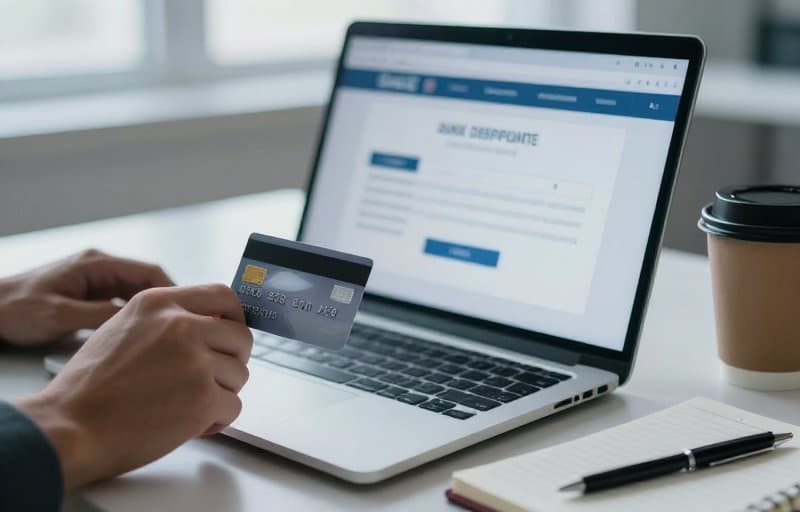
When a customer disputes a charge with their bank instead of asking you, it becomes a card chargeback, and the economics change. On a processor like Stripe, the moment a chargeback is filed Stripe debits the disputed amount plus a dispute fee from your balance and holds the funds for the entire case. Outside a couple of countries, that dispute fee is not returned, even if you win. The fee is fixed, $15 per dispute in the United States, and if you choose to fight the chargeback a second counter fee applies on top, refunded only if the bank rules your way.
The bank decides, not the store and not you. After a chargeback is created you usually have 7 to 21 days to respond, the issuer then takes 60 to 75 days to weigh your evidence, and the full lifecycle runs two to three months with the money debited the whole time. Card networks let cardholders open a dispute up to 120 days after the payment, and sometimes longer. This is the world you step into when you leave the store's.
How this compares to staying on the store
The store is not free. It takes a commission, and on Google Play from August 3, 2026 it shifts the cost of a chargeback, the purchase price less Play's service fee plus the bank's fee, onto the developer. That change is real and it stings. But read the fine print of your own switch: that August rule applies to Google Play Billing. On alternative billing you were already paying every dispute cost yourself, from day one, because Google Play was never in the transaction to absorb anything.
So the honest comparison is not free versus paid. It is a bundled service you pay a commission for against an unbundled one where you keep more of the sale and take on the refund desk, the dispute losses, the processor fees, and the compliance. For some apps that math wins. For many it does not, and the number that decides it is not the commission, it is your refund and chargeback rate.
The reporting does not go away either
Even off the store, Apple still wants its cut on external purchases in most regions, and it makes you do the accounting. If you use the External Purchase Link Entitlement you must report every transaction to Apple through the External Purchase Server API, including refunds and corrections, monthly, within 15 days of the end of Apple's fiscal month. Apple then invoices you for the commission it is owed. A refund you issue is a line you still have to report, not a thing that quietly disappears.
What to put in place before you switch
If you are moving any revenue onto alternative billing, build the refund and dispute side first, not last.
- A refund policy, written and visible, that states what you refund and when. Google requires a way to request one, and the law in your customer's country may require more.
- A support path a customer can actually find, so a confused charge reaches you before it reaches their bank. A chargeback costs far more than a refund you handle directly.
- Chargeback tooling from your processor: alerts, evidence templates, and a rule for when to fight and when to accept. The dispute fee is sunk the moment the case opens, so fighting a small charge often costs more than the charge is worth.
- Clean transaction records tied to each customer, because a chargeback response lives or dies on proof of delivery, and you now have to assemble that proof yourself.
The short version
Alternative billing is an unbundling. You take back the payment and the margin, and you take on the refund desk, the dispute losses, and the processor fees the store used to carry quietly. The two store flows that let a developer weigh in on a refund, Apple's CONSUMPTION_REQUEST and Google Play's orders.reviewrefund, do not exist off the store, so a refund becomes a policy you write and a chargeback becomes a bank decision you absorb. Run the numbers on your real refund and chargeback rate before you switch, because that rate, not the headline commission, is what decides whether leaving the store saves you money.
Frequently asked questions
- Who handles refunds when I use alternative billing?
- You do. Apple states it cannot provide refunds or billing support for purchases made outside its system and tells customers to contact the developer. Google requires you to run your own support and refund-request process as a condition of using alternative billing. The store steps out of refunds the moment the payment stops flowing through it.
- Does Apple's CONSUMPTION_REQUEST or Google's refund review still work with alternative billing?
- No. Both flows exist only because the store processed the payment. Apple's CONSUMPTION_REQUEST fires on App Store purchases, and Google Play's orders.reviewrefund review runs on Google Play Billing transactions. On alternative billing the store never settled the sale, so neither flow is created and there is no store case to submit evidence to.
- What does a chargeback cost on alternative billing?
- It costs the disputed amount plus your processor's dispute fee. On Stripe the disputed amount and a fixed dispute fee, $15 in the US, are debited from your balance the moment the chargeback is filed, the fee is not returned even if you win, and a counter fee applies if you challenge it. The cardholder's bank decides the outcome, and the case can take two to three months.
- Is alternative billing cheaper than paying the store commission?
- Only if your refund and chargeback rate is low. You keep more of each sale, but you also absorb every refund, every dispute loss, and every processor fee the store used to handle, and Apple still charges commission on external purchases in most regions. The deciding number is your dispute rate, not the headline commission.
- Do I still have to report refunds to Apple if I bill outside the App Store?
- Yes. Under the External Purchase Link Entitlement you must report every transaction, including refunds and corrections, to Apple through the External Purchase Server API each month, within 15 days of the end of Apple's fiscal month. Apple then invoices you for the commission owed. A refund is a reported line, not an erased one.
Sources and further reading
- Apple Support: About purchases not billed through the App Store or Apple In-App Purchase
- Apple Developer: Communication and promotion of offers on the App Store in the EU
- Apple Developer: External Purchase Server API
- Google Play Console Help: Offering an alternative billing system for users in the United States
- Android Developers: Alternative billing APIs
- Stripe Docs: How disputes work
- Google Play Console Help: Updates to refund protection and chargeback cost responsibility (August 3, 2026)
RefundHalt
The refund autopilot for the App Store and Google Play
Keep reading
Unauthorized in-app purchases by children get refunded to the parent almost every time, and you carry the cost
When a child buys a coin pack on a parent's phone, both Apple and Google refund it and neither one asks you first. Regulators built it that way. Here is how these unauthorized in-app purchase refunds work on each store, the 15-minute window where the money goes, and what one actually costs you.
You never owned the app refund tax, so a refund costs you your share, not the total on the receipt
Refund an in-app purchase and the receipt shows the price plus tax going back. The tax was never your money. Apple and Google collect and remit it as the merchant of record, then reverse it on a refund without touching your share. Here is what a refund actually costs, and the one setup where the tax becomes yours.